
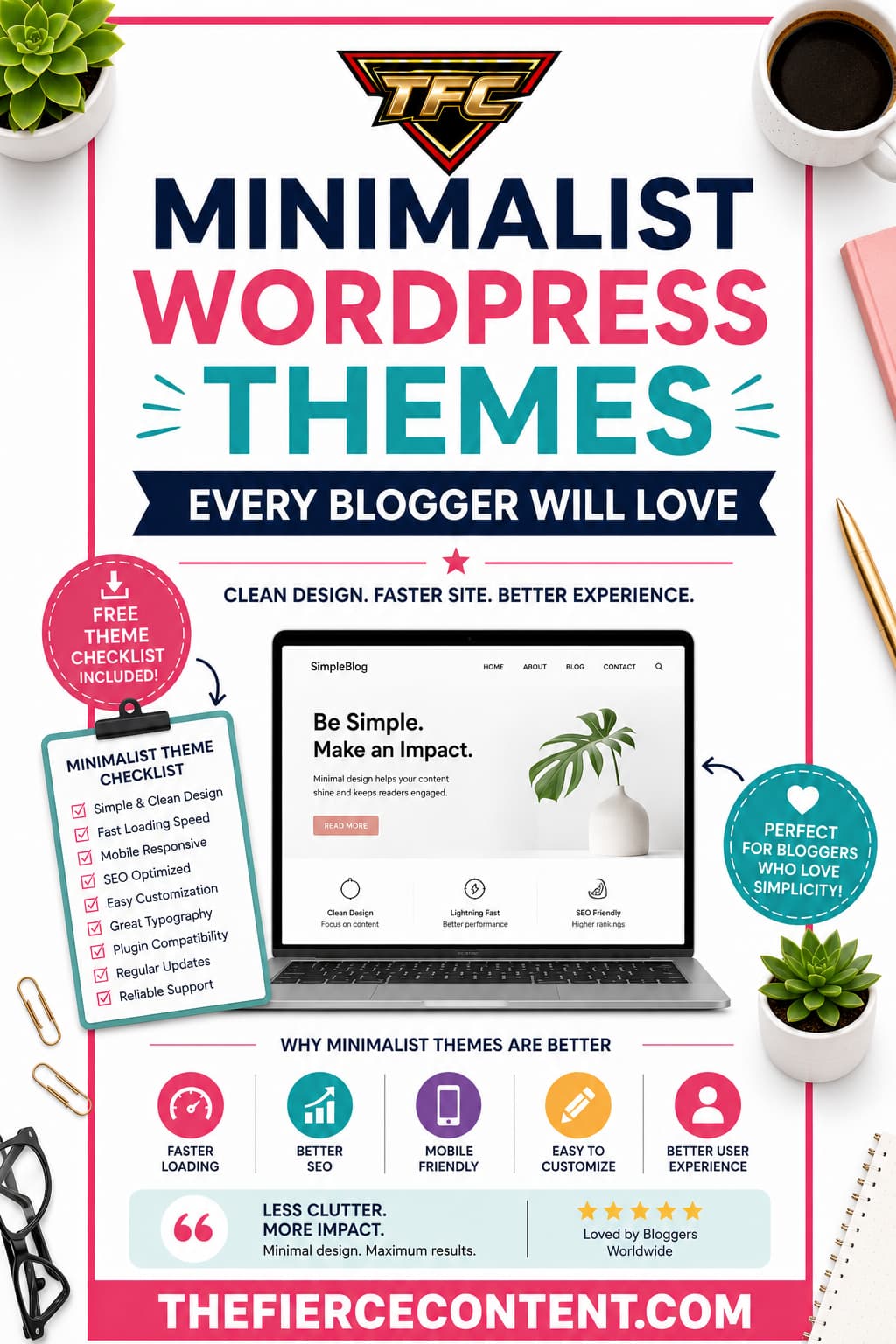
Why Minimalism Has Become the Future of Blogging In today’s digital world, attention spans are shorter than ever.
Readers no longer have patience for cluttered websites filled with distracting pop-ups, flashy animations, unnecessary widgets, or confusing layouts.
Modern internet users crave simplicity, speed, readability, and elegance. That is exactly why minimalist WordPress themes have become incredibly popular among bloggers, entrepreneurs, creators, and online business owners.
Minimalist WordPress themes focus on clean layouts, strong typography, organized spacing, and distraction-free user experiences.
Instead of overwhelming visitors with too many design elements, minimalist themes guide readers directly toward what matters most: the content itself.
Whether you run a fashion blog, travel website, personal journal, food blog, tech publication, or business platform, a minimalist design can instantly make your website look more professional, trustworthy, and modern.
One of the biggest advantages of minimalist themes is speed. Many bloggers underestimate how much website performance affects user experience and SEO rankings. Heavy themes packed with unnecessary features often slow down websites dramatically.
Slow-loading pages frustrate users, increase bounce rates, and negatively impact search engine rankings. Minimalist themes, on the other hand, are typically lightweight and optimized for fast
performance, helping websites load quickly across desktop and mobile devices.
Another reason minimalist themes are loved by bloggers is flexibility. Minimalist designs work beautifully across almost every niche because they prioritize clarity and usability.
A clean white background, elegant typography, strategic spacing, and carefully placed images create a timeless design that never feels outdated. Unlike trendy designs that quickly lose relevance, minimalist websites maintain their appeal for years.
Search engines also favor websites that deliver excellent user experiences.
Google values fast loading speed, mobile responsiveness, organized structures, and accessible layouts.
Minimalist themes naturally support these SEO factors, making them a smart long-term investment for serious bloggers who want sustainable growth.
Beyond functionality, minimalist themes help strengthen brand identity. A clutter-free website allows your voice, photography, products, or writing style to become the center of attention.
Readers remember the experience of your content rather than distracting design elements competing for attention.
For bloggers trying to build authority online, minimalist themes communicate confidence and professionalism.
They show that your website is intentional, organized, and reader- focused. Whether you are a beginner starting your first blog or an experienced creator redesigning your brand, minimalist WordPress themes offer a balance of beauty, performance, and simplicity that is difficult to ignore.
The best minimalist theme is by far Astra
In this in-depth guide, we will explore why minimalist WordPress themes continue to dominate the blogging world, the essential features to look for, the best minimalist themes available, how to choose the perfect one for your niche, and practical ways to maximize performance and SEO.
What Makes a WordPress Theme Truly Minimalist?
Minimalism in web design is often misunderstood. Many people assume minimalist websites are simply plain or empty- looking, but true minimalist design is much more intentional and strategic than that.
A minimalist WordPress theme removes unnecessary distractions while preserving functionality, usability, and elegance. At its core, minimalist design prioritizes clarity. Every design element serves a purpose. Instead of overloading users with excessive graphics, flashy colors, complicated navigation menus, and crowded sidebars, minimalist themes focus on creating a seamless reading experience.
One defining characteristic of minimalist themes is clean typography. Fonts become a major visual element because the design relies heavily on readability.
Carefully selected fonts improve user engagement by making articles
easier and more enjoyable to read.
Great minimalist themes use typography strategically, balancing headings, spacing, line height, and paragraph structure.
Whitespace is another essential feature.
Many beginners fear empty spaces on websites, but professional designers understand that whitespace improves focus and visual organization. It gives readers room to breathe, making content feel less overwhelming and more digestible.
Minimalist themes also emphasize simple navigation. Readers should instantly understand how to move through the website without confusion. Streamlined menus, clear categories, and intuitive layouts improve user experience and help visitors stay on the website longer.
Color palettes are usually subtle and intentional. Neutral tones such as white, black, gray, beige, and muted colors dominate minimalist designs.
This does not mean minimalist websites must be boring. Instead, restrained color usage helps highlight important elements like call-to-action buttons, featured images, or headlines.
Performance optimization is another major factor. Minimalist themes are generally lightweight because they avoid bloated features that slow websites down. Faster websites create better user experiences and contribute positively to SEO rankings.
Responsive design is also critical. Modern readers access websites from smartphones, tablets, laptops, and desktops. A minimalist WordPress theme should adapt beautifully across all screen sizes without compromising readability or navigation.
Minimalist themes are also highly versatile. They work well for bloggers, photographers, writers, coaches, consultants, agencies, and even eCommerce stores. Their adaptability makes them appealing to creators who want professional designs without excessive customization complexity. Importantly, minimalist design does not mean sacrificing personality.
The best minimalist themes provide enough flexibility for bloggers to showcase their brand identity through typography choices, imagery, logo placement, content strategy, and subtle design accents.
Ultimately, a truly minimalist WordPress theme creates harmony between aesthetics and functionality. It eliminates distractions, improves readability, enhances performance, and supports the primary goal of every successful blog: connecting meaningfully with readers.
Why Bloggers Love Minimalist WordPress Themes
Bloggers are increasingly turning toward minimalist WordPress themes because they align perfectly with the needs of modern audiences. In a world filled with constant digital noise, readers appreciate websites that
feel clean, organized, calming, and easy to navigate.
One major reason bloggers love minimalist themes is readability. Content is the foundation of blogging success. If readers struggle to focus because a website feels visually overwhelming, they are more likely to leave quickly.
Minimalist layouts remove unnecessary distractions, allowing visitors to engage deeply with articles, tutorials, stories, and resources.
Another important reason is professionalism.
Minimalist themes instantly make blogs appear polished and credible. Clean designs communicate confidence and authority without relying on excessive visual effects. Whether someone visits a personal blog or a business website, minimalist aesthetics often create a stronger first impression than cluttered alternatives.
Minimalist themes are also easier to maintain. Complicated themes packed with features frequently require more updates, troubleshooting, and technical adjustments.
Lightweight minimalist themes usually provide cleaner code structures and smoother performance, reducing maintenance headaches for bloggers.
Bloggers also appreciate the flexibility of minimalist themes. Instead of forcing websites into rigid layouts, minimalist designs allow content and branding to shine naturally. This flexibility is especially valuable for creators whose niches may evolve over time.
Search engine optimization is another major advantage. Google rewards websites that load quickly and deliver excellent user experiences.
Minimalist themes often perform exceptionally well in these areas because they eliminate unnecessary design elements that slow websites down.
Mobile responsiveness is equally important. A large percentage of blog traffic now comes from mobile devices. Minimalist themes usually prioritize responsive design, ensuring websites remain visually appealing and functional on smaller screens.
Minimalist themes also help bloggers improve conversion rates. Whether the goal is email subscriptions, affiliate sales, product purchases, or service inquiries, distraction-free layouts guide users toward important actions more effectively.
Many creators also find minimalist websites emotionally appealing. Clean environments reduce mental clutter and create more relaxing digital experiences. Readers often spend more time on websites that feel organized and calming.
Another overlooked benefit is timelessness. Trend-heavy designs can become outdated quickly, forcing bloggers into frequent redesigns. Minimalist aesthetics remain modern and relevant for years because they focus on simplicity and usability rather than temporary design trends.
Key Takeaways: Minimalist WordPress Themes Every Blogger Will Love
In a world filled with cluttered designs and overwhelming features, minimalist WordPress themes continue to stand out for all the right reasons.
They offer faster loading times, cleaner layouts, improved readability, and a distraction-free experience that keeps readers focused on your content. Whether you’re running a personal blog, lifestyle website, travel journal, or professional publication, a minimalist theme can help you create a modern and elegant online presence without sacrificing functionality.
The best part is that simplicity never goes out of style, making minimalist themes a smart long-term choice for bloggers who value both aesthetics and performance.